
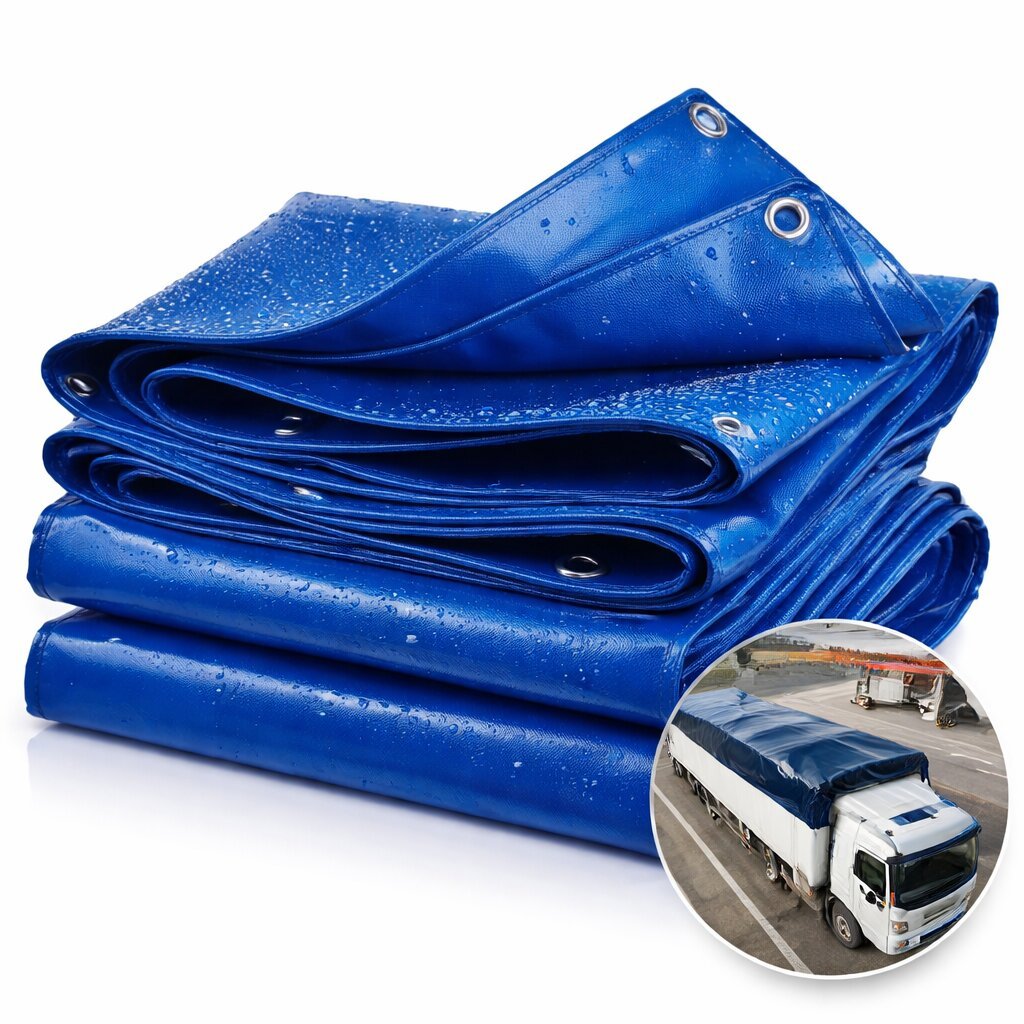
Covers are strong and useful tarpaulins. They use them to protect furniture, tools, wood, vehicles, and much more. Without a proper tie-down, a Tarpaulin won’t work right. Wind can lift an object if it is loose. Water can accumulate on top. The cover could even be blown away.
Knowing how to secure a tarp using eyelets and bungee cords is critical. Tight installation of the tarp gives better protection compared to that of a loose tarp. In this article, you will learn simple steps to secure your tarp safely and correctly.
What Are Eyelets on a Tarpaulin?
Metal rings fitted at the border of the tarpaulin are eyelets. These rings are sturdy enough to prevent any tearing of the tarp when tied. You can easily attach ropes or bungee cords to these evenly spaced areas.
You can use eyelets to attach the tarp to poles, fences, hooks, or frames easily. The tension is distributed along the edges. This makes the tarp last longer.
Before tightening the tarp, look at the eyelets. Ensure they are not broken or loosened. Holes that are stronger hold better.
What Are Bungee Cords?
Bungee cords have hooks at either end and are stretchable. Elastic material was utilized to produce them. They can stretch and hold tension.
Bungee cords can effectively secure tarpaulins in place. Since they stretch, they hold the tarp tight even in gusty wind. The eyelets experience less stress due to them. This stops tearing.
Bungee cords come in various lengths as well. Depending on the dimensions of your tarp and the size of the surface you need to cover, choose the right size.
Step One: Place the Tarp Properly
Before putting in your eyelets and bungee cords, position your tarp correctly. Apply it to the object you wish to shield. Ensure that it completely covers the item.
Leave some surplus material on the edges. This is helpful when you tie it down. If it is too tight before being secured, it may tear later.
When covering something flat like wood or equipment, try to give it a slope. It allows for rainwater to flow off rather than pool on top.
Step Two: Align the Eyelets
After installing the tarpaulin, examine the eyelets at the sides. Ensure the points where you want to attach the cords align with the eyelets.
When you tie the tarp to a fence or a frame, pull the edge near the support. Easier to secure this. At this stage, don’t pull so hard. Ensure you place the tarp evenly over the stack. Balanced positioning prevents uneven tension later.
Step Three: Attach the Bungee Cords
It is time to start attaching bungee cords. Take one hook and thread through the eyelet. Next, stretch out the cord and hook the other end to a sturdy support point. It may be a rod, a pin, a hook, or a rigid frame.
The cable should be firm but not overextended. Excessive stretching harms the tarp and cord. Please see usage advice. Rocksteady recommends keeping the tarp securely tight using the elastic.
Go around the tarp and do that for each eyelet. The cords should be spaced evenly from one another. This helps keep the tarp taut.
Keeping the Tarp Tight
Examine the tarp after fastening all bungee cords. It should appear sleek and fitted. There shouldn’t be any loose areas that blow in the wind.
Adjust the cords if you notice slack sections. In some sections, you may need to have shorter cords.
A well-tensioned tarp prevents water pooling on top. It also lowers sound and movement in a breezy climate.
Securing Corners Properly
Corners are the most essential parts of a tarpaulin. The corners are usually caught first. Before attaching each side eyelet, make sure to tighten each corner firmly.
Ensure to use tough bungee cords in the corners. Ensure the tension causes the tarp to pull outwards and downwards slightly. This preserves the shape’s stability. When the corners are tight, the rest of the tarp is easier to secure.
Using Extra Support for Strong Wind
In case you expect stronger winds, add extra bungee cords between the main eyelets. This provides additional strength and reduces movement.
Another option is to cross the cords over the top of the tarp. This prevents the tarp from blowing off.
Too much wind can damage bungee cords even though they are flexible. After each storm, check the tarp to make sure it’s still fine.
Safety Tips While Securing
Exercise caution at all times when stretching bungee cords. In case the hook loosens, it snaps back quickly. Keep a firm grip on the hook and maintain distance while attaching it.
Do not use frayed cords. Replace it if the elastic is weak or the hook is bent. Brittle lines might snap in bad weather.
Don’t pull the tarp too tight, either. Moreover, excessive pressure on the eyelets may cause tearing. The goal is firm and secure, not overstretched.
Removing the Tarp Safely
Slowly unhook the bungee cords as you take off the tarp. Relax the tension gradually to avoid breakage.
The tarp must be folded after use. Keep it in a draught-free place. Store the bungee cords together so they can be used again easily. If you care for the tarp and the cords, they will last longer. Click here if you want to know more about tarpaulins.
Conclusion
It is easy to learn how to secure tarpaulins with eyelets and bungee cords. Having your tarp properly secured keeps it tight. Your belongings remain safe from rain, wind, and dust.
First, place the tarp in the right place. Center the eyelets. Make sure to put the bungee cords tight but equal in tension. Attach the corners first and then check for loose areas.
If done correctly, your tarpaulin will not only stay in place but also provide effective protection. If you use it correctly, your tarp can serve many purposes safely and confidently.