
The movement and usability of outdoor areas are greatly influenced by outdoor walkways. Walkways must be both long-lasting and aesthetically pleasing, whether they are used to lead guests around a garden, connect patio areas, or provide secure routes around courtyards and pools. Selecting the appropriate flooring material improves the outdoor space overall and guarantees long-term performance.
For outdoor walks, Wooden Decking Tiles provide a useful and fashionable option. They blend the ease of modular construction with the inherent beauty of wood, enabling simple installation and adaptable design. Simple pathways become sophisticated outdoor highlights with wooden decking tiles’ strength, comfort underfoot, and visual warmth.
Wood Decking Tiles
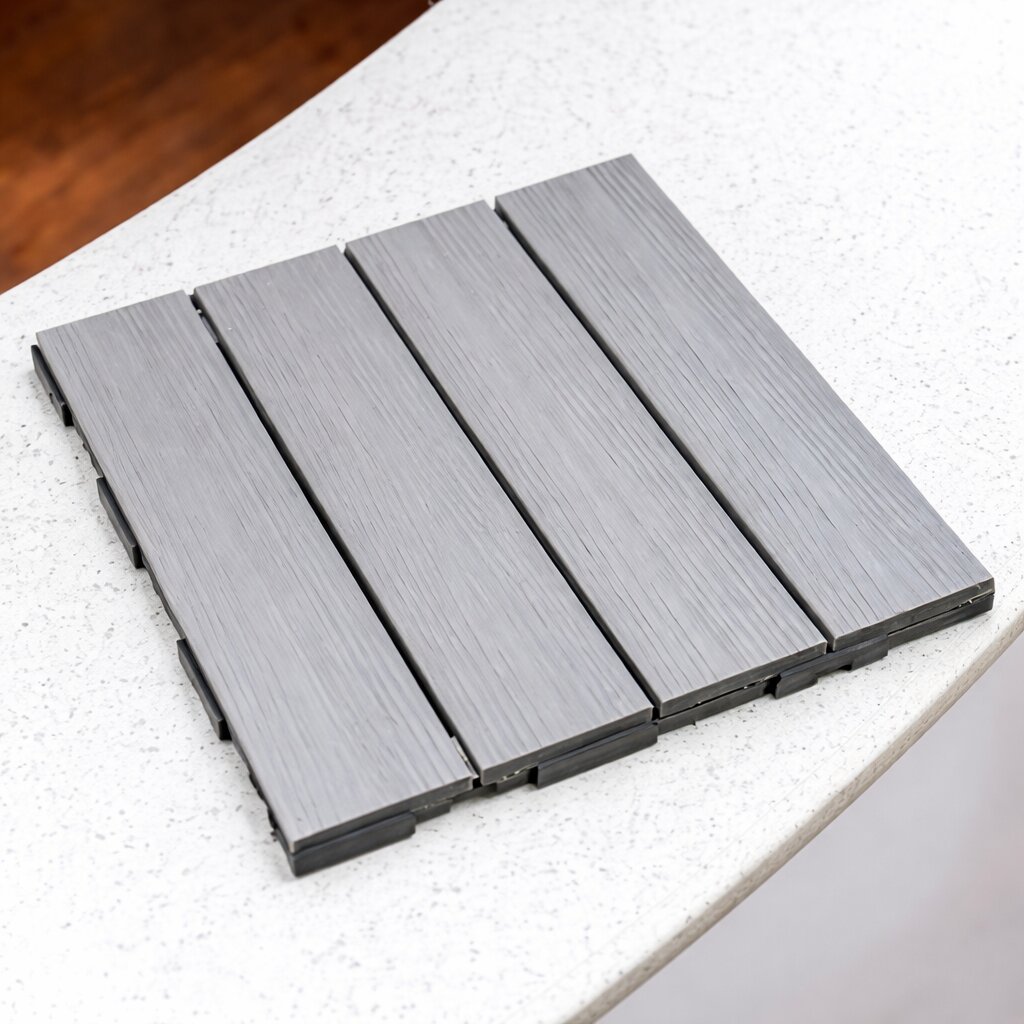
Modular square or rectangular panels composed of treated softwood or natural hardwood make up wooden decking tiles. They may be quickly and securely placed over pre-existing surfaces like concrete, gravel, or old decking since they are made with backing grids or interlocking systems. These tiles are perfect for outdoor applications because they produce an elevated, structured surface that encourages drainage and circulation. Usually, decking tiles are made of sturdy plastic or composite bases with timber slats affixed to them. A comfortable walking surface is provided by the smooth or grooved hardwood slats in the top layer. A snap-together grid on the underside makes installation easier and guarantees stability.
Material Choices
For hardwood decking tiles, choosing the correct material is crucial to guaranteeing long-term performance, weather resistance, and durability. The strength, aesthetic appeal, and maintenance needs of various wood varieties differ.
It’s crucial to take into account factors like environment, anticipated foot traffic, budget, and maintenance preferences when choosing wooden decking tiles for outdoor walks. While treated softwoods offer affordable adaptability, hardwood choices offer higher resilience and endurance. Options that are pre-sealed and thermally modified improve performance while requiring less maintenance. Selecting the right material guarantees that the pathway will continue to be secure, aesthetically pleasing, and structurally solid for many years to come.
Hardwood Decking Tiles
For outdoor walks, hardwood Decking Tiles are among the most aesthetically pleasing and long-lasting options. Dense fibers and oils found in hardwoods naturally increase their resilience to environmental wear, dampness, and insects.
Acacia Decking Tiles
Acacia is a popular hardwood due to its affordability and durability. Excellent resistance to scratches and severe foot activity is provided by its tight grain structure. The diverse wood tones of acacia add a natural warmth to patio spaces and garden walkways.
Eucalyptus Decking Tiles
Eucalyptus provides a robust equilibrium between sustainability and longevity. Eucalyptus is regarded as a more sustainable hardwood alternative and is frequently obtained from plantations that are sustainably managed. When properly sealed and maintained, it works well outside.
Softwood Decking Tiles
Usually composed of pine or spruce, pressure-treated softwood decking tiles enhance outdoor performance. Although they are not as dense as hardwood by nature, treatment makes them more resilient. Pine is widely utilized because wood is readily available and reasonably priced. The pressure-treatment method aids in defense against moisture damage, insects, and deterioration. For homeowners looking to improve their aesthetics without making a significant financial commitment, pine decking tiles provide an affordable alternative.
Advantages of Outdoor Pathways
Natural Beauty
Wood gives outdoor areas coziness and personality. Gardens, patios, and planted walkways all look more appealing with wooden decking tiles. Water elements, stone features, and plants all blend in perfectly with the organic feel of wood. Wooden finishes produce a timeless appearance that is fashionable despite shifting design trends.
Flexibility and Simplicity of Installation
Wood decking tiles don’t require complicated tools or structural construction like traditional decking does. By just joining the interlocking edges, homeowners may install the tiles without the help of a professional. They offer a cost-effective method of improving worn-out or broken walkways without replacing the current surface. Click here if you want to know more about tarpaulins.
Better Airflow and Drainage
Walkways outside must be able to withstand dampness and rain. Water drainage is made possible by the elevated bases and slat spacing found in wooden decking tiles. Instead of collecting on the surface, water flows between the holes. Maintaining the integrity of the wood is aided by enough airflow beneath the tiles.
Safety and Comfort
Compared to concrete or stone, wooden decking tiles offer a more pleasant and non-slip walking surface. They are appropriate for garden walkways or poolside because of their smooth yet slightly textured textures. Particularly in wet situations, grooved surfaces increase traction.