
Abu Dhabi’s summer is not just hot—it’s extreme. With temperatures often crossing 45°C, your vehicle’s cooling system works overtime to protect the engine, maintain performance, and keep you comfortable on the road. Proper car care abu dhabi practices become essential during these months, as even minor neglect can lead to overheating, breakdowns, and costly repairs. From maintaining coolant levels to smart upgrades like nano ceramic coating, taking a proactive approach can make a significant difference in how your car survives the summer heat.
Understanding how your car’s cooling system works and what steps you can take to support it will help you avoid roadside surprises and extend your vehicle’s lifespan.
Understanding the Car Cooling System
What Does a Car Cooling System Do?
A car’s cooling system regulates engine temperature by circulating coolant through the engine block and radiator. As fuel burns, it generates intense heat. Without proper cooling, this heat can warp engine components, degrade oil, and eventually cause engine failure.
In hot climates like Abu Dhabi, the cooling system doesn’t just prevent overheating—it constantly fights against extreme ambient temperatures, making regular maintenance even more critical.
Key Components of the Cooling System
Radiator
The radiator dissipates heat from the coolant using airflow. When the radiator is clogged or damaged, heat transfer becomes inefficient.
Coolant (Antifreeze)
Coolant absorbs engine heat and releases it through the radiator. It also prevents corrosion and freezing, though freezing is rarely a concern in the UAE.
Water Pump
This component circulates coolant throughout the system. A failing water pump can quickly lead to overheating.
Thermostat
The thermostat regulates coolant flow based on engine temperature. If it sticks closed, coolant won’t circulate properly.
Cooling Fans
Electric or belt-driven fans pull air through the radiator, especially when the car is stationary or moving slowly.
Why Abu Dhabi’s Summer Is Tough on Cars
Extreme Ambient Temperatures
When outside temperatures are already scorching, your car’s cooling system has less room to release heat. This makes every component work harder, increasing wear and tear.
Stop-and-Go Traffic
Urban driving with frequent stops reduces airflow through the radiator. Cooling fans must compensate, and if they’re not functioning well, engine temperature can rise rapidly.
Sand and Dust Exposure
Fine dust and sand can clog radiators and air filters, reducing cooling efficiency. This is a common but often overlooked issue in desert environments.
Essential Cooling System Maintenance Tips
Check Coolant Levels Regularly
Low coolant is one of the most common causes of overheating. Always check levels when the engine is cool and top up with the manufacturer-recommended coolant type.
Inspect for Leaks
Coolant leaks may appear as puddles under the car or as a sweet smell after driving. Even small leaks can become major problems in extreme heat.
Flush the Cooling System Periodically
Over time, coolant degrades and collects debris. A system flush removes contaminants and restores optimal heat transfer.
Monitor the Temperature Gauge
Your dashboard temperature gauge is an early warning system. If it rises above normal, stop driving and investigate before serious damage occurs.
The Role of Engine Oil in Cooling
Why Oil Matters More in Summer
Engine oil doesn’t just lubricate—it also helps dissipate heat. In high temperatures, oil breaks down faster, losing its cooling and protective properties.
Choose the Right Oil Grade
Using the correct oil viscosity recommended by the manufacturer ensures proper flow and heat management, especially during long summer drives.
Stick to Shorter Oil Change Intervals
In extreme climates, shortening oil change intervals can significantly improve engine health and temperature control.
Air Conditioning and Engine Cooling: The Connection
How AC Affects Engine Temperature
Running the air conditioner increases engine load, especially during idle or slow driving. This adds extra heat to the system.
Keep the AC System Maintained
A well-maintained AC system places less strain on the engine. Clean cabin filters and properly charged refrigerant help improve efficiency.
Smart AC Usage Tips
Parking in shaded areas, using sunshades, and venting hot air before turning on the AC can reduce initial load on the cooling system.
External Factors That Help Keep Your Car Cool
Parking Smartly
Whenever possible, park in covered or shaded areas. Even reducing cabin temperature by a few degrees can lessen stress on the AC and engine.
Clean the Radiator and Grille
Regular cleaning removes dust and debris that block airflow. This simple step can dramatically improve cooling efficiency.
Tire Pressure and Heat
Underinflated tires generate more heat, indirectly adding stress to the vehicle. Proper tire pressure supports overall summer performance.
Advanced Protective Measures for Summer Driving
Heat-Resistant Hoses and Belts
Rubber components degrade faster in high heat. Inspect hoses and belts for cracks or softness and replace them proactively.
Coolant Additives
Some additives improve heat transfer and corrosion resistance, offering extra protection during peak summer months.
Surface Protection and Heat Reflection
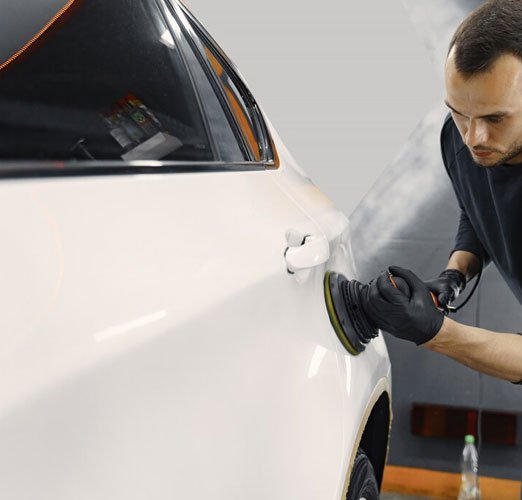
Exterior treatments like nano ceramic coating help reflect heat and reduce surface temperature. While often associated with paint protection, these coatings also contribute to overall thermal management by minimizing heat absorption through the body panels. This added layer of defense supports broader car care abu dhabi strategies aimed at summer resilience.
Driving Habits That Reduce Overheating
Avoid Aggressive Driving
Rapid acceleration and high RPMs generate more heat. Smooth, steady driving helps maintain stable engine temperatures.
Take Breaks on Long Drives
If you’re driving long distances in peak heat, short breaks allow the engine to cool slightly, reducing thermal stress.
Watch Warning Signs
Steam from the hood, warning lights, or reduced performance are signals to stop immediately. Ignoring them can lead to engine failure.
The Importance of Regular Inspections
Pre-Summer Checkups
A comprehensive inspection before summer begins can identify weak points in the cooling system. This is a cornerstone of effective car care abu dhabi routines.
Professional Diagnostics
Modern vehicles rely on sensors and electronic controls. Diagnostic scans can detect issues before they become visible problems.
Consistency Is Key
Regular inspections throughout summer ensure that minor issues don’t escalate under extreme conditions.
How Exterior Heat Management Supports Cooling
Paint and Interior Protection
High exterior temperatures transfer heat into the cabin and engine bay. Protective solutions like nano ceramic coating reduce heat absorption, helping maintain more stable internal temperatures.
Windshield and Window Protection
Quality sun films reduce UV and infrared heat, lowering cabin temperature and reducing AC load.
Combined Benefits
When exterior heat is managed effectively, the cooling system doesn’t have to work as hard, improving efficiency and longevity.
Wrapping Up
Surviving Abu Dhabi’s summer requires more than just hoping your car can handle the heat. A well-maintained cooling system, smart driving habits, and proactive protection strategies are essential for reliability and comfort. From checking coolant levels to adopting advanced solutions like nano ceramic coating, every step contributes to a cooler, healthier vehicle. By prioritizing consistent car care abu dhabi practices, you not only protect your engine but also enjoy smoother, safer drives throughout the harshest months of the year.