
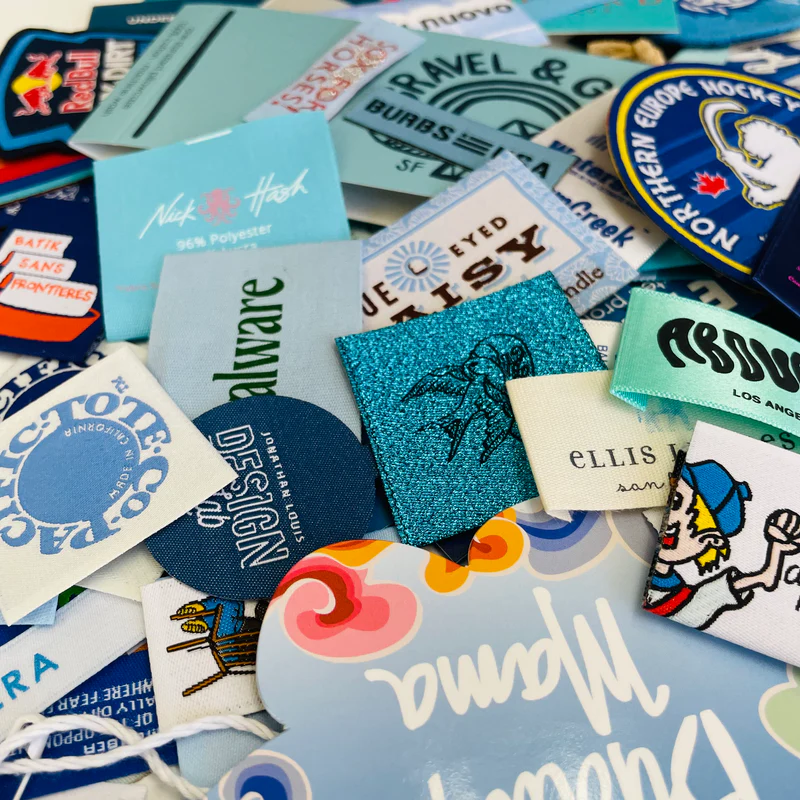
The visual identity of a brand is an important factor that is determined by custom clothing tags. These tags are able to convey quality, style, and attention to detail, and therefore, they are a part of the whole product presentation. They provide a chance to present the personality of a brand, be it in types, color scheme, or the choice of materials, creating an unforgettable impression on consumers. An efficient tag strengthens the brand name and is able to affect buying behavior by producing a perception of trust and professionalism.
In addition to being attractive, tags are informative, including directions on how to care for or size. This capability adds to the experience of the customer, as it means that the garment will be maintained adequately, and the image of value will be created. Companies that put investment efforts into designing the tags show that they are concerned with quality and will be distinguished in competitive markets.
Material Options
When choosing the right material to use in making custom clothing tags, it is crucial to have the right material in terms of functionality as well as aesthetics. There is a wide variety of materials that can be used to make tags, such as woven fabrics, satin, cotton, and even recycled materials, in case of those who also value the tactile aspect of the tags. Both materials provide visual and textual differences, which impact the general sensation of the garment. Using a good material would also make sure that the tag is not damaged when it is washed and handled several times, but remains readable and good to look at.
The material used also influences the mode of executing the design. An example of this is the woven tags, which can be embroidered with complex designs and long-lasting patterns, whereas the printed ones can display fine graphics and bright colors. The choice of materials should be in line with the identity of the brand and the nature of the garment to be produced, so that there is unity between the garment and the label. The perceived value of the product is supported by the durability and finish of the material.
Production Methods
Custom Clothing Tags Canada production process affects both visuality and scalability. Embossed, printed, and woven tags have their own benefits in terms of the requirements of their design and the requirements of a brand. Woven tags are used to offer accuracy during the formation of detailed logos and text, whereas printed ones can offer a greater variety of colors and photographic features. Embossed or debossed labels add a sensual aspect, thus making oneself seem sophisticated.
A high level of manufacturing also guarantees uniformity and quality production, especially in bulk production. The collaboration with trusted producers will ensure that every tag will fit the standards of the brand. This is because efficient production methods enable production to be delivered on time and sustain a reliable supply chain. The defects are avoided by the quality control procedures during the production process so that the tags can add value to the overall customer experience.
Branding Benefits
Tailor-made clothing labels reinforce brand recognition and boost the display of the products. Brand recognition can be strengthened by a tag that has a logo or other design element signature on all garments. A brand that portrays consistency in its visual presentation is more likely to be remembered and believed by customers. The tag will be a silent ambassador, as it represents the brand even after buying it.
Exclusivity or high quality can also be a message passed on by strategically positioned tags, which affect the perception of the customers. Attention to detail is expressed in subtle details, e.g., unique fonts, embossed logos, or high-quality finishes. These factors will help in positioning concepts of fashion brands, where each piece of cloth is marked with a distinctive brand identity.
Display Techniques
Custom Clothing Tags Display at shops or online is very critical in determining the behavior of buyers. Tags on racks, hangers, or packings can be well displayed to increase the product’s visibility and attractiveness. Display methods may involve imaginative grouping, regular grouping, or counterbalanced design backgrounds to enhance the beauty of the brand. Adequate placement will also mean that the customers will be able to see branding information without overcrowding the visual information on the product.
In online shopping, quality and concern with design can be portrayed in the obvious and precise photos of the labels. The use of tags and product descriptions helps to strengthen brand messaging and add useful details to the display. Considerable presentation helps in making the shopping experience complete, customer confidence is achieved, and chances of repeat purchase are high.
Personalization Options
The customization provides depth to a brand that would make it stand out among others. The perceived value of garments is increased by modifying the Custom Clothing Tags with Logo, special messages, or limited edition designs. Custom Tags with logo enables the brands to match tags to seasonal collections, collaborations, or marketing campaigns, which would create a sense of exclusivity and interaction.
Unique clothing labels with QR codes or links to online content may also be used as personalized tags, which is an interactive feature that makes the physical products interact with the online world. These tags allow brands to incorporate storytelling, providing information related to craftsmanship, sourcing, or sustainability efforts. The alternatives enhance customer loyalty and brand loyalty.
Order Flexibility
The brands need the flexibility in order to make custom clothing tags orders to suit different production volumes and marketing requirements. Small designers or startups can now obtain Custom Clothing Tags No Minimum order quantities without the need to make a big initial investment. The Custom Clothing Tags Wholesale options can help bigger brands to be flexible through a large product line and to maximize on the cost.
Flexible systems of ordering usually contain digital proofs and design consultations, which ensure that everything is correct before production. This flexibility facilitates the seasonal releases, special editions, and brand strategies. Having a variety of ordering options enables both large and small brands to control the quality of design and inventory control.
Conclusion
Custom clothing tags can be described as more than simple functional labels, as they are an effective tool that helps to build brand identity, convey quality, and leave long-lasting impressions. They are also thoughtfully designed, materials selected, production techniques, and personalized. Together with the strategic display and the ability to place an order flexibly, these tags can form an essential part of the brand narrative and customer interaction. The quality of the clothing tags will also guarantee that each piece of clothing will be a mirror of the values and professionalism of the brand, and this will make a strong impression on the perception of the market and customer loyalty.