
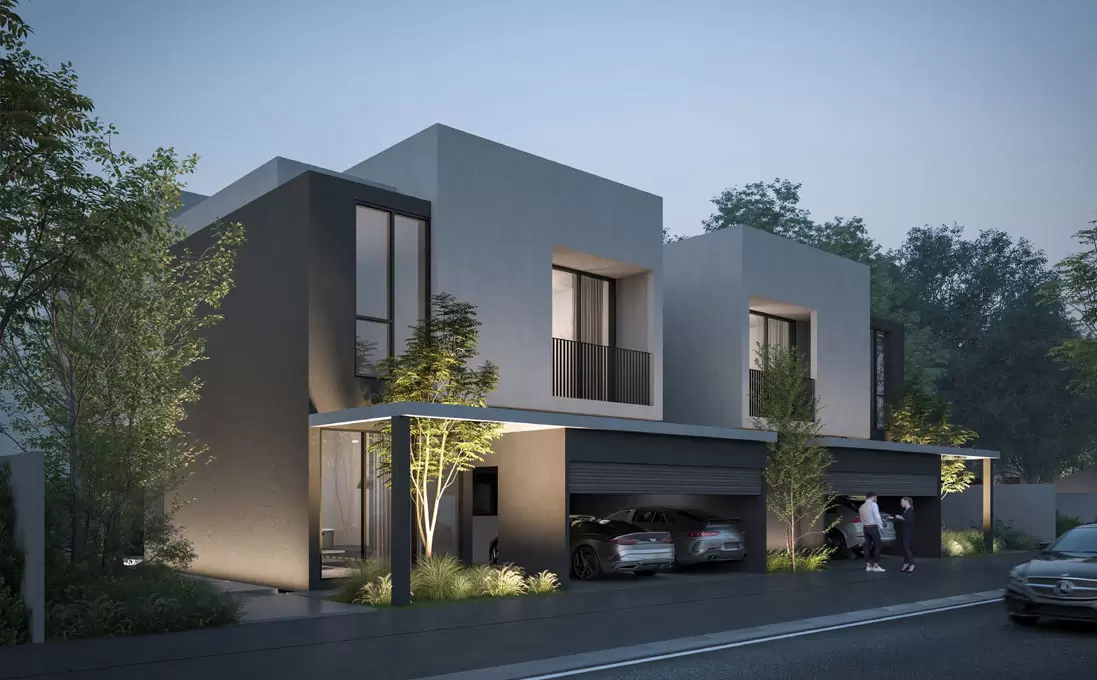
The luxury real estate market is no longer shaped solely by local demand and regional economic conditions. In today’s interconnected world, global economic shifts, technological innovations, investor mobility, and lifestyle changes significantly influence how premium properties are positioned and sold. High-net-worth individuals now evaluate opportunities across continents before making purchasing decisions. For sellers aiming to sell luxury property in Dubai, understanding these global trends is not just beneficial, it is essential for achieving competitive advantage and premium pricing.
Luxury real estate operates in a sophisticated environment where international capital flows, political stability, taxation policies, and emerging lifestyle expectations all intersect. As a result, global real estate trends have become powerful forces that shape pricing strategies, buyer behavior, marketing techniques, and overall sales performance in the luxury segment.
The Globalization of Luxury Real Estate
Luxury property has evolved into a global asset class. Wealthy buyers no longer restrict their investments to their home countries. Instead, they seek properties in cities known for financial security, world-class infrastructure, and high standards of living. International diversification is now a core strategy for affluent investors.
This globalization creates both opportunity and competition. Sellers must position their properties not just for local buyers but also for international investors who compare multiple global markets simultaneously. A luxury home in one city is often evaluated alongside properties in London, New York, Singapore, or Dubai.
Cross-border investment has also increased transparency. Buyers conduct extensive research, compare price-per-square-foot metrics internationally, and analyze rental yields before committing. As a result, sellers must align their pricing and marketing strategies with global benchmarks rather than relying solely on local trends.
Economic Cycles and Global Wealth Distribution
Global economic trends have a direct influence on luxury property sales. When stock markets perform well and global wealth increases, luxury real estate demand typically rises. Conversely, during economic downturns, buyers may delay purchases or negotiate more aggressively.
Wealth migration is another significant factor. Emerging markets have created new millionaires and billionaires who seek stable global investment destinations. Political uncertainty in one region often drives capital into safer real estate markets elsewhere.
Currency fluctuations also impact buying power. When a currency strengthens, investors from that country may increase overseas acquisitions. On the other hand, weaker currencies can slow cross-border purchases. Sellers who monitor exchange rate trends can better time their listings to target favorable international markets.
Technology Transforming Luxury Property Sales
Technology has revolutionized how luxury homes are marketed and sold. Digital platforms now allow global exposure within seconds. High-quality virtual tours, drone photography, cinematic property videos, and immersive 3D walkthroughs have become standard tools in the luxury segment.
Buyers often shortlist properties online before scheduling in-person visits. This shift means presentation quality directly affects inquiry rates. Global trends in digital marketing including AI-driven property recommendations and data analytics enable sellers to target affluent buyers with precision.
Blockchain technology and secure digital transactions are also gaining traction, increasing transparency and reducing transactional complexity in cross-border deals. As technology continues to evolve, sellers who adopt innovative marketing tools gain a significant competitive advantage.
Changing Buyer Preferences Worldwide
Luxury property buyers today prioritize more than just size and location. Global lifestyle trends heavily influence purchasing decisions.
Wellness and Sustainability
Post-pandemic awareness has elevated the importance of health, space, and sustainability. Buyers now look for:
- Large outdoor areas
- Home gyms and wellness rooms
- Advanced air filtration systems
- Eco-friendly building materials
- Energy-efficient smart systems
Sustainable design is no longer optional in the luxury market. Green certifications and environmentally conscious architecture enhance property appeal among globally aware investors.
Remote Work and Flexible Living
The rise of remote work has shifted demand patterns. High-net-worth professionals now seek homes that accommodate both luxury living and professional functionality. Dedicated office spaces, high-speed connectivity, and privacy features have become essential selling points.
This shift has expanded the appeal of cities offering lifestyle advantages combined with business opportunities.
Government Policies and Global Investment Incentives
Regulatory environments significantly influence luxury property markets. Visa programs, tax policies, and foreign ownership laws shape buyer interest.
Residency-by-investment programs, often referred to as “golden visas,” have become powerful drivers of luxury property purchases. Countries that offer long-term residency in exchange for property investment tend to attract international buyers seeking mobility and security.
Tax reforms also play a role. Low or zero property taxes, favorable capital gains policies, and business-friendly regulations enhance a city’s attractiveness to affluent investors.
Sellers must stay informed about policy changes that impact buyer confidence and cross-border investment flows.
Urban Development and Infrastructure Expansion
Large-scale infrastructure projects elevate luxury property values. International airports, financial hubs, waterfront developments, and cultural landmarks increase global visibility and investor interest.
Smart city initiatives incorporating technology, sustainability, and integrated transport systems further boost property appeal. Luxury buyers value convenience, connectivity, and access to premium amenities.
Cities that consistently invest in modernization tend to maintain strong demand in the high-end real estate segment. Sellers who highlight proximity to major developments can strengthen their property’s positioning.
Branding and Lifestyle Marketing
Global luxury trends emphasize lifestyle branding rather than simple property listings. Buyers are purchasing prestige, exclusivity, and an elevated way of life.
Luxury marketing now focuses on storytelling:
- Showcasing architectural uniqueness
- Highlighting curated interiors
- Presenting neighborhood prestige
- Emphasizing privacy and security
Social media platforms, influencer collaborations, and international real estate exhibitions have expanded the reach of luxury property campaigns.
Brand perception matters greatly. A property positioned within a globally recognized luxury destination often commands higher value due to its international reputation.
The Role of International Investors
Institutional investors, family offices, and private equity firms have increased their involvement in luxury real estate. This professionalization has introduced more analytical decision-making into the market.
Investment strategies now consider:
- Long-term capital appreciation
- Rental yield potential
- Market stability
- Political and economic risk factors
Luxury sellers must understand investor motivations. Some buyers seek lifestyle properties, while others prioritize financial performance. Tailoring marketing messages to these different segments enhances sales effectiveness.
Market Volatility and Risk Management
Global crises whether financial, political, or health-related can disrupt luxury property markets. However, premium real estate often acts as a safe-haven asset during uncertainty.
Diversification remains a core strategy for wealthy individuals. Real estate in stable global hubs provides portfolio protection against stock market volatility and inflation.
Sellers who understand market cycles can strategically time listings to align with recovery periods and upward trends.
Dubai’s Position in the Global Luxury Landscape
Dubai has emerged as one of the world’s most competitive luxury property markets. Strategic location, tax advantages, world-class infrastructure, and a secure business environment have attracted investors from Europe, Asia, and the Middle East.
Global trends such as wealth migration, remote work flexibility, and demand for lifestyle-driven destinations have strengthened Dubai’s appeal. The city consistently adapts to international expectations through smart city initiatives, sustainable development projects, and investor-friendly policies.
Its strong branding as a global luxury hub has positioned it favorably among international buyers seeking both residence and investment opportunities.
Future Outlook for Luxury Property Sales
Looking ahead, several global trends are expected to continue influencing luxury real estate:
- Increased cross-border digital transactions
- Greater emphasis on sustainability and ESG compliance
- Growth of branded residences
- AI-driven property valuation tools
- Enhanced virtual buying experiences
As the world becomes more connected, luxury property sales will remain closely tied to global financial health, technological progress, and evolving buyer expectations.
Sellers who stay informed, adapt quickly, and align with international standards will be better positioned to achieve premium results.
Final Thought
Global real estate trends play a decisive role in shaping luxury property sales across major markets. Economic cycles, technological innovation, lifestyle evolution, policy reforms, and cross-border capital flows collectively influence demand, pricing, and marketing strategies.
For sellers in competitive luxury hubs, awareness of these international dynamics is essential. Strategic positioning, global marketing outreach, and adaptability to changing buyer preferences can significantly enhance success rates. As international interest in private mansions Dubai continues to grow, aligning property offerings with global expectations will remain the key to sustained performance and long-term value creation in the luxury real estate sector.