Your checked bag goes into the hold and stays there for the whole flight. Everything you need for the next 10, 14 or 17 hours has to fit in your carry-on. Pack it badly and you’ll spend the flight cold, bored, thirsty and digging through a bag jammed under the seat in front.
This long haul flight carry on packing list covers 30 items grouped by purpose, plus what to leave out and how to pack so everything is easy to reach. For the rest of the journey, see our guide on how to survive a long-haul flight.
Documents and Money
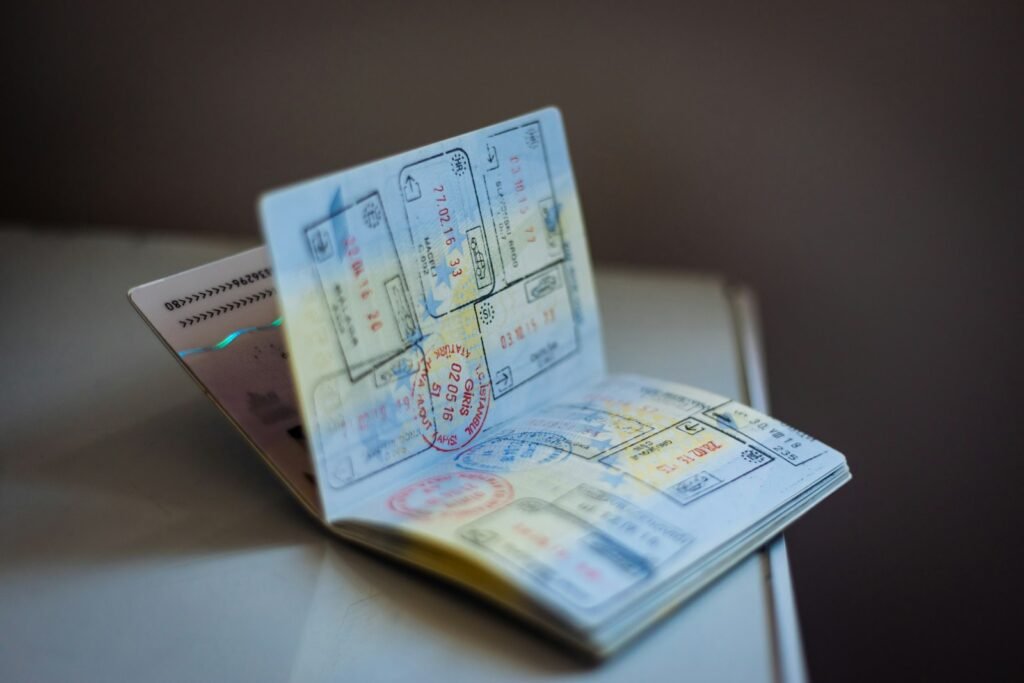
- Passport with at least six months’ validity (many countries require it).
- Visa or travel authorisation printed or saved offline, if required.
- Boarding pass, digital and printed if you’re unsure about phone battery.
- Travel insurance details including the emergency phone number.
- A credit or debit card that works abroad, plus a small amount of local currency.
- Copies of key documents stored in a separate pocket or securely online.
Comfort Essentials
- Neck pillow that actually supports your head; memory foam or inflatable to save space.
- Eye mask that blocks light fully, ideally contoured.
- Earplugs or noise-cancelling headphones. Engine noise is tiring over many hours.
- A warm layer: a light jumper or hoodie, because cabins can get cold.
- Compression socks to help circulation on long flights.
- Comfortable socks or slippers for walking to the bathroom.
Health and Hygiene
- Prescription medication in original packaging, with enough for possible delays.
- Basic medicines: painkillers, motion sickness tablets, antihistamines.
- Lip balm and moisturiser. Cabin air is very dry.
- Toothbrush and small toothpaste to freshen up before landing.
- Hand sanitiser and wipes for tray tables and armrests.
- Facial mist or hydrating spray in a travel-size bottle.
- Deodorant (travel-size or solid stick).
- Contact lens case and solution, or glasses, since lenses can feel uncomfortable in dry air.
Liquids, aerosols and gels in hand luggage are usually limited to small containers inside a clear bag, although some airports with new scanners allow more. Rules vary, so check your departure airport. In the US, the TSA’s “What Can I Bring?” tool lets you search any item.
Tech and Entertainment
- Phone and charging cable.
- Power bank (must travel in hand luggage, not checked bags).
- Headphones, plus a two-prong adapter or Bluetooth transmitter for seatback screens.
- Downloaded entertainment: films, shows, podcasts and playlists saved offline.
- A book or e-reader for when you want a break from screens.
- Universal travel adapter for your destination.
Food and Drink
- Empty reusable water bottle to fill after security.
- Snacks: nuts, crackers or bars, especially if you have dietary needs or meal times don’t suit you.
- Chewing gum or sweets to help your ears during descent.
The Just-in-Case Item
- A change of clothes: at least a T-shirt and underwear, in case your checked bag is delayed or something gets spilled.
How to Pack So Everything Is Easy to Reach
Use two bags: a main carry-on for the overhead bin, and a small “seat bag” under the seat in front. The seat bag should hold everything you’ll need during the flight:
- Headphones, phone, charger and power bank
- Eye mask, earplugs and lip balm
- Water bottle and snacks
- Medication you’ll take during the flight
- Toothbrush and toothpaste
Once seated, you can lift the main bag into the bin and forget about it. This avoids standing up repeatedly while other passengers are trying to sleep. Your seat location also affects how easy this is; our guide on choosing the best seat on a long-haul flight covers aisle versus window trade-offs.
What to Leave Out
- Bulky jackets you can’t stow easily; wear them or pack them in checked luggage
- Full-size toiletries that will be confiscated at security
- Too many devices and cables you won’t use
- Strong-smelling food that will annoy neighbours
- Sharp items such as scissors or tools, which are restricted
Check Your Airline’s Carry-On Rules
Size and weight limits vary between airlines and fare types. Some economy fares include only a small personal item, while premium cabins allow more. Check your booking before you pack, especially on connecting flights with different airlines. If you’re travelling with a long connection, our long layover tips explain what else to keep in your carry-on.
Extra Items for Specific Travellers
Travelling with children
Pack a full change of clothes for each child, plus one spare top for yourself. Bring small new toys or activity books to unwrap during the flight, child-sized headphones with a volume limit, and more snacks than you think you’ll need. Baby food and formula are usually allowed in reasonable quantities beyond normal liquid limits, but declare them at security.
Business travellers
Keep a laptop, charger and any documents for your first meeting in your carry-on. A crease-resistant shirt and a small toiletry kit mean you can go straight from the airport to work if needed.
Travellers with medical needs
Carry a doctor’s letter for injectable medication, medical devices or large amounts of medicine. Keep medication in its original packaging and split it between two bags if you’re travelling with a companion, in case one bag goes missing.
A Quick Pre-Flight Checklist
- Passport, visa and boarding pass checked
- Phone, power bank and headphones charged
- Entertainment downloaded for offline use
- Liquids packed in a clear bag at the top of your carry-on
- Medication and change of clothes in the bag you’ll keep at your seat
- Water bottle empty, ready to fill after security
Running through this list the night before saves stress at the airport and makes sure nothing important ends up in the hold.
Frequently Asked Questions
Can I bring food through airport security?
Solid snacks are generally allowed. Liquid foods like soups and yogurt count toward liquid limits. Check customs rules at your destination, as some foods can’t be brought into the country.
Do power banks have to be in carry-on?
Yes. Spare lithium batteries, including power banks, must travel in hand luggage on most airlines, often with capacity limits.
Should I bring a blanket?
Most long-haul airlines provide one, but a light scarf or wrap is useful for extra warmth.
How heavy can my carry-on be?
It depends on the airline and fare. Some long-haul airlines have no weight limit for economy carry-ons, while others limit them to 7 or 8kg. Check your booking confirmation and weigh your bag at home.
Can I take a pillow in addition to my carry-on?
Most airlines allow a small neck pillow, coat or blanket in addition to your bag allowance, but rules vary, so check before you fly.
Key Takeaways
- Keep documents, medication and a change of clothes in your carry-on, never in checked luggage.
- Pack comfort items like an eye mask, earplugs, a warm layer and compression socks for long flights.
- Bring an empty water bottle and fill it after security, since cabin air is very dry.
- Put everything you’ll need during the flight into a small bag that stays under your seat.
- Check your airline’s carry-on allowance and your airport’s liquid rules before you pack.
- Download films, music and maps before you leave home so you’re not relying on in-flight Wi-Fi.
The Bottom Line
A well-packed carry-on makes a long-haul flight far more comfortable. Bring the right documents, comfort items, health basics, offline entertainment and a change of clothes, and keep in-flight essentials in a small bag under your seat. For more advice, browse our Long-Haul Travel Tips.