
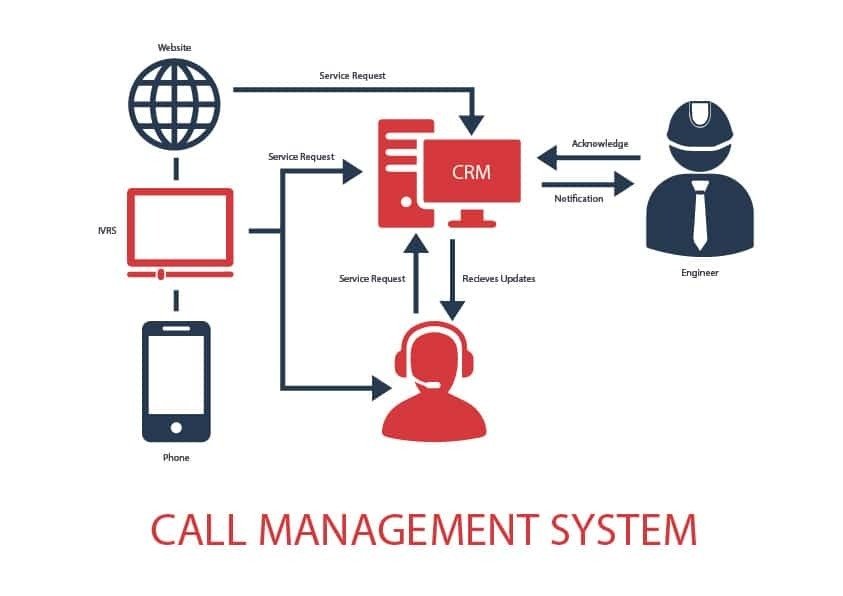
I remember sitting with the support lead of a growing B2B company a while back. She was pulling her hair out over calls piling up, customers getting frustrated, and her team feeling overwhelmed. Yet, when I asked to sit with the agents for a day, it wasn’t laziness or incompetence. The problem started way before the calls even reached them.
Calls were bouncing around. A billing question ended up with tech support. A technical issue went to general support. Agents were trying their best, but it felt like the system was working against them. By the time someone answered, the customer had already repeated the same thing twice — and trust me, they were not happy about it.
That’s when a call management solution actually makes a noticeable difference. It’s not a magic wand; it’s just about giving every call a smarter path.
Where Delays Really Come From
Most leaders assume slow support = not enough staff. Sometimes yes, but more often it’s messy call flow.
Picture this: 200 calls in an hour. Without a proper system, they land randomly. Agents get uneven loads, important calls get stuck in line, and customers hear nothing but hold music. It’s stressful for everyone.
I once worked with a small logistics firm — twelve support agents handling nationwide calls. On paper, they seemed fine. But the average wait time was six minutes. When we mapped call flow, about 30% of calls were getting transferred at least once.
After introducing a call management solution, things changed. Customers were guided to the right department upfront. Priority calls got handled first. Within weeks, wait time dropped to just over two minutes. No extra hires. Just better flow.
Why Cloud Makes Life Easier
These days, support teams aren’t all in one office. Some are remote, some in different cities. Traditional phone setups just can’t keep up.
A cloud call center solution lets agents log in from anywhere. Calls get routed automatically. Managers can see in real time who’s busy, who’s idle, and which queues are backing up. Suddenly, everyone’s on the same page without micromanaging.
The Quiet Cost of Slow Support
It’s not just frustration — delays hit revenue.
One e‑commerce client realized that 18% of customers who hung up mid-call never returned. Once they cleaned up call flow with a call management solution and cloud call center solution, abandonment dropped, and so did refund requests. Quick support doesn’t just feel better — it prevents small problems from escalating.
Little Things That Matter
Some features feel minor but change the game:
- Routing by expertise or language — customers get the right agent instantly.
- Queue visibility & callback options — no one likes being stuck on hold.
- Agent dashboards with history — conversations start with context, not repetition.
All of these small things add up to huge time savings, and the team actually enjoys their work more.
Start Simple
Trying to fix everything at once usually creates more confusion. A better move: track call patterns first. When do spikes happen? Which queries get transferred most?
Once you know that, a cloud call center solution can be set up to handle the bulk automatically. Even small tweaks can cut wait times significantly. And the best part? Agents start spending more time helping instead of shuffling calls around.
Making Support Feel Human Again
Customers don’t care about internal departments. They just want answers. When calls move around too much, it feels chaotic.
A call management solution quietly fixes that. Calls reach the right people faster. Agents have context. Customers feel heard. And suddenly, the team isn’t drowning anymore — they’re actually solving problems.
Support shouldn’t feel like a maze. And the right system makes sure it doesn’t.