
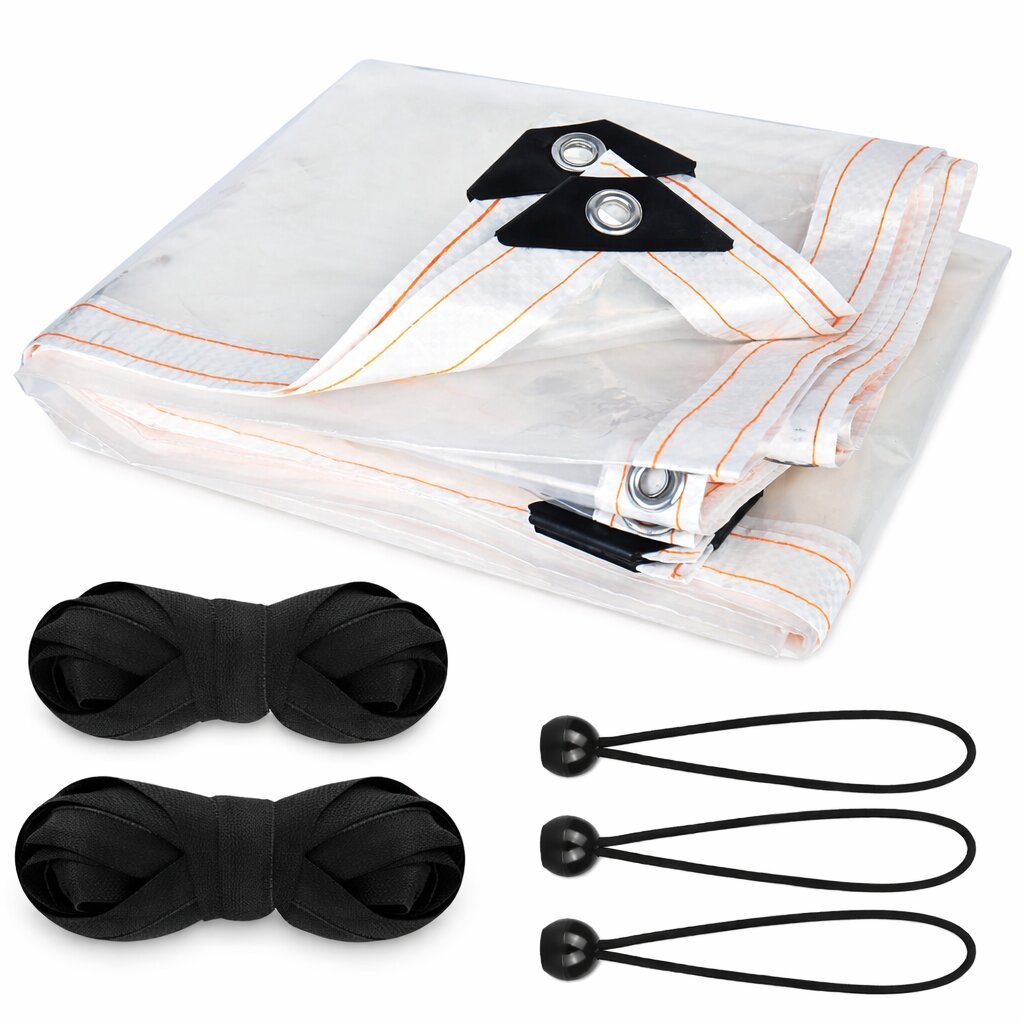
Tarpaulins are used across different industries and in homes because they provide easy, efficient protection. Nonetheless, there are many kinds of tarps. Some are very powerful but stiff and hard to handle. Some are bendable yet break easily. The most suitable option is a Clear Tarpaulin that is strong yet flexible. This type of tarp provides reliable protection and is also easy to fold, move, and install.
In this blog post, we will look at why it is important to balance strength and flexibility and how to choose your tarpaulin.
Understanding Strength in Tarpaulins
The strength of a tarpaulin is its resistance to tearing, stretching, or damage. Durable materials that can include woven polyethylene, PVC, or canvas C are used to manufacture tarps. The fabrics are tightly woven and coated so that they become waterproof and can withstand any weather conditions.
A good tarp can endure heavy loads, strong wind, and aggressive handling. It is often used at construction sites, farms, transport vehicles, and industrial sectors. A tarp must protect the equipment, building products, and goods from rain, dust, and sunlight.
The strong edges and rustproof metal eyelets reinforce its strength. When you secure this tarp down tightly, it won’t come loose. Without proper support, a thick tarp can rip at the corners.
Why Flexibility Is Just as Important
It’s great to be strong, but it is flexibility that allows that strength to be functional and easier to work with. A flexible tarp can rip without folding. It is possible to use this to accommodate irregular shapes and stretching in uneven areas.
The tarp should have a curve that conforms to the different angles and edges of machinery or furniture. A rigid tarp will have gaps that allow dust and water to enter. A flexing tarp will fit better for full coverage.
Also makes it easy to store. When you are not using the tarp, it will be folded to take less space. Homeowners, campers, and businesses who need tarps frequently find this service useful.
Materials That Offer the Perfect Balance
Tarpaulins that are made today are now designed to have the two qualities. Polyethylene tarps are heavy-duty yet lightweight, rendering them quite popular. The inner woven part is responsible for strength, while the outer coating is responsible for flexibility and waterproofing.
PVC tarpaulin is another choice. Factories utilize these products because they are solid and heavy. Although thick, they are thin enough to roll and carry without any problems.
Canvas Tarpaulins also promote a great balance. A Breathable, Versatile, and Resilient Test. They help cover appliances and garden things while leaving the area open for windy air. The type of cloth used in tarpaulin is totally dependent on the tarpaulin application.
Weather Resistance and Daily Use
Tarpaulins with balanced strength and flexibility perform well in different weather conditions. They can withstand rain, wind, and sun without losing shape or tearing.
If a tarp has UV protection, it will be flexible and strong without getting brittle under the sun. When secured properly, it will remain steady in windy conditions. So, you can use it as outdoor storage, temporary shelters, or vehicle covers.
This balance lets you take off and put back the tarp easily without causing damage for use on a daily basis. If designed correctly, the material will not weaken with repeated folding and unfolding.
Applications in Residential Settings
In homes, balanced tarpaulins are used for many purposes. They can cover garden furniture, protect firewood, or act as temporary roofing during repairs. Because they are flexible, they are easy to handle without professional tools.
During outdoor events or gatherings, you can use these tarps to provide shade or protect seating areas from unexpected rain. Their strength ensures they remain stable, while their flexibility allows quick setup and removal.
Homeowners often prefer tarps that are not too heavy but still reliable. A well-balanced tarp meets these needs perfectly.
Industrial and Commercial Benefits
Commercials and industrial tarpaulins must work under pressure. Truckers use them to cover and protect loads. Warehouses utilize them to safeguard items from dust and moisture. Construction sites use tarps to protect materials and build barriers.
If a tarp is too stiff, it is difficult to tie it down on a moving vehicle. A thin item can easily tear due to strong winds. A tarpaulin that is balanced not only makes the product sturdy but also easy to handle.
The reusability and strength of these tarps lower the replacement cost over time. Reliability and efficiency benefit businesses. Click here if you want to know more about Business Finance.
Easy Handling and Storage
One of the primary advantages is the easy handling of flexible yet strong tarpaulins. Workers or residents can quickly drop these off and secure them. They can be folded carefully after use.
It saves your time and effort. The chances of getting damaged while fitting are less. A tarp that is too stiff will be forced into position, which adds a strain to it. Balanced tarps exhibit a natural adjustment under load while requiring no tensioning.
Proper tarpaulin storage can make it last longer. Always ensure it is dry before folding it to prevent any mold damage.
Choosing the Right Thickness
Thickness plays a major role in attaining a better balance between strength and flexibility. Heavier tarps will have greater durability but can be cumbersome. You should avoid using lightweight tarps for heavy-duty jobs, even if they are easier to handle.
For light home use, a medium-weight tarp is usually adequate. A heavier option may be better for construction or transport. Always check the GSM rating or material description. Your needs and how often you’ll be using the tarp determine your choice.
Long-Term Value and Practical Use
The strength and flexibility of tarpaulins offer better returns on investment over the years. It’s unlikely they will tear, break, or harden with time. With proper care, they can last for years together.
Make sure to clean your clothes often and check for rips. They can last even longer with some fixes.
If you purchase a good quality and properly balanced tarp, you can save yourself a whole lot of trouble and money rather than spending money on cheap tarps over and over again.
Conclusion
Tarps that offer a blend of flexibility and strength can be used for residential or commercial applications. They’re easy to handle and store, and offer protection from damage or the weather due to their lightweight.
Polypropylene tarp offers many benefits for covering needs. A tarp that combines strength with versatility improves performance, results in greater longevity, and convenience. Whatever type of job you need doing, whatever you want – to cover equipment or materials, or make a shelter – this type of tarp will do.