Knowing what to wear on a long-haul flight can decide whether you step off the plane rested or stiff, sweaty and grumpy. After 10, 12 or 15 hours in a seat, a tight waistband or the wrong shoes stops being a small annoyance and becomes the main thing you think about. The fix is simple: dress for comfort, temperature swings and a bit of movement, while still looking put-together enough for arrival.
This guide gives you a practical outfit formula, the fabrics that work best, what to avoid, and a few tips for overnight flights.
- 100% free
- Call direct
- Voice search
- Urdu & English
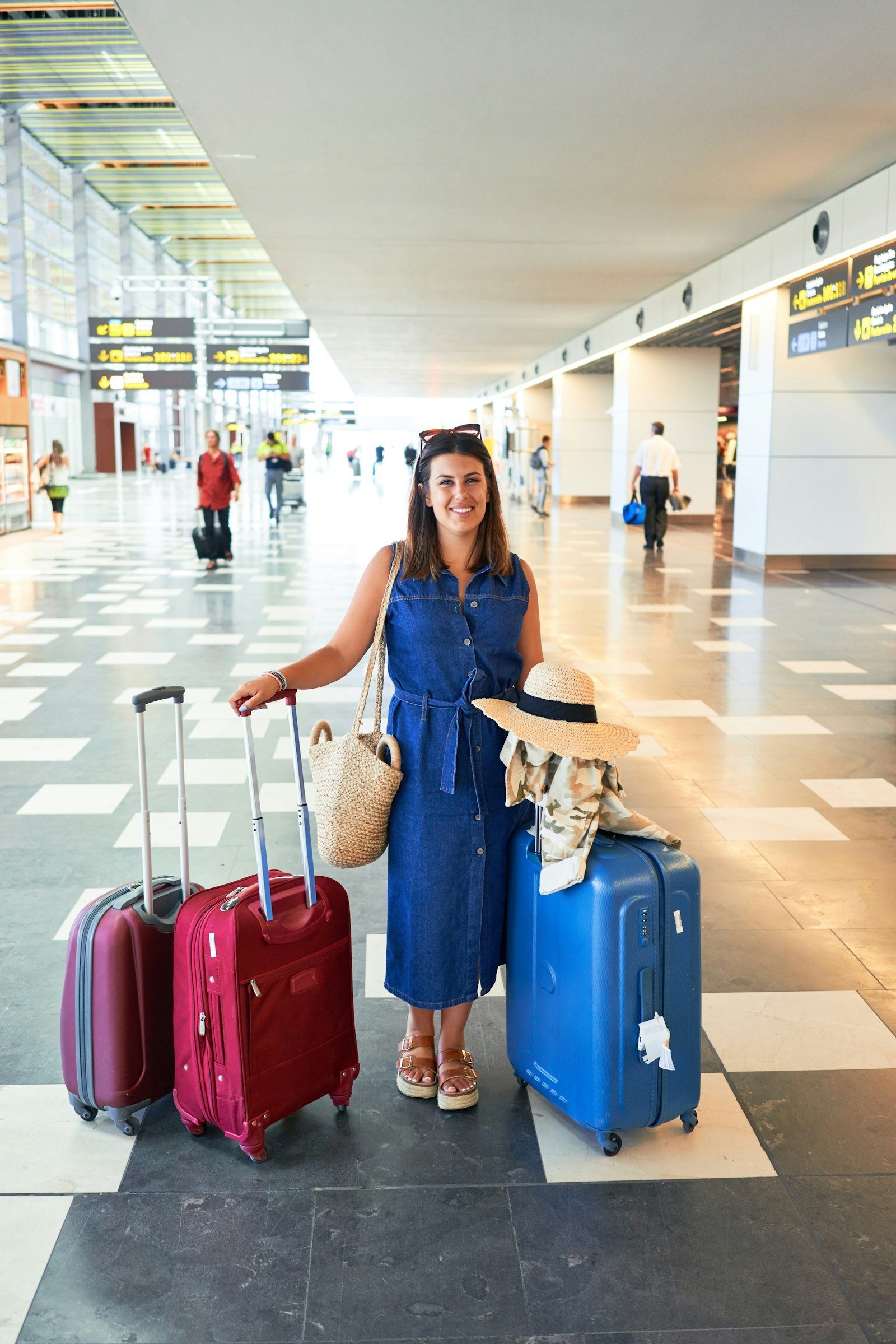
The long-haul outfit formula
Think in layers, from the skin out. A reliable combination looks like this:
- Base layer: A soft, breathable T-shirt or long-sleeve top.
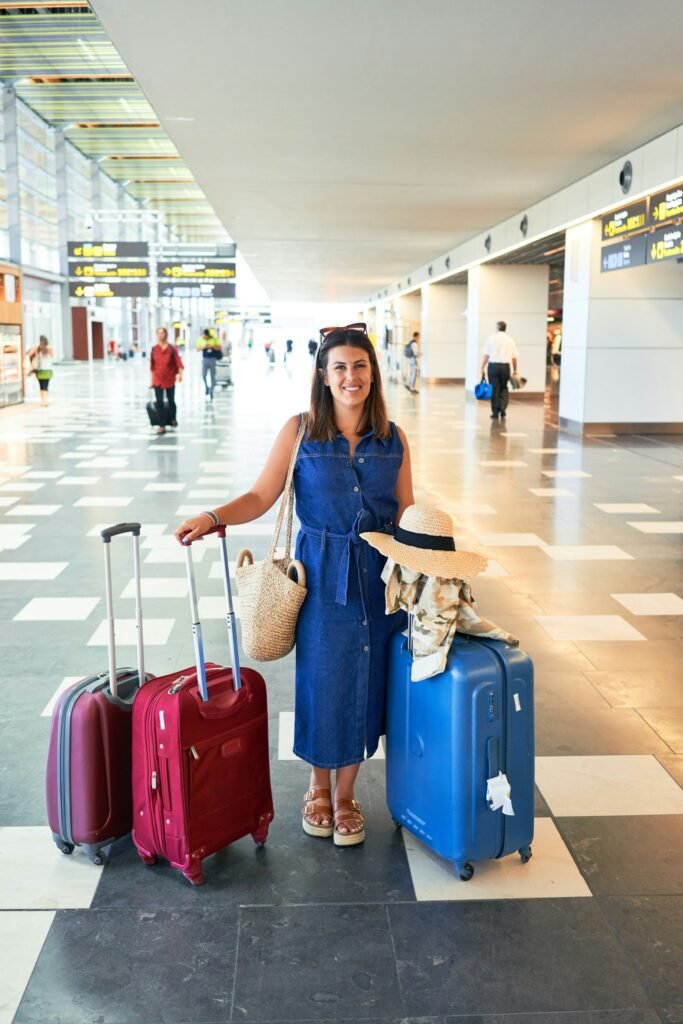
- Bottoms: Joggers, stretchy travel trousers, leggings or loose chinos with an elastic or drawstring waist.
- Mid layer: A zip-up hoodie, cardigan or light sweater you can take off in seconds.
- Outer layer: A packable jacket if your departure or arrival city is cold.
- Extras: Comfortable socks, a large scarf or travel blanket, and slip-on shoes.
The aim is flexibility. Cabin temperatures are hard to predict: you can board warm and feel cold a few hours later, especially on overnight flights when the lights go down.
Best fabrics for long flights
Fabric matters more than style when you’re sitting for half a day.
| Fabric | Why it works | Watch out for |
|---|---|---|
| Merino wool | Regulates temperature and resists odour | Some people find it scratchy |
| Synthetic stretch blends | Soft, stretchy and wrinkle-resistant | Cheaper blends can trap heat |
| Bamboo blends | Soft and breathable | Can stretch out over time |
| Cotton | Familiar and comfortable at first | Can feel clammy over many hours |
| Stiff denim / silk | Looks smart | Restrictive or easily creased — best avoided |
Travel bloggers who fly long-haul often, such as the team at Stuffed Suitcase, consistently recommend skipping rigid waistbands and non-stretch fabrics for exactly this reason.
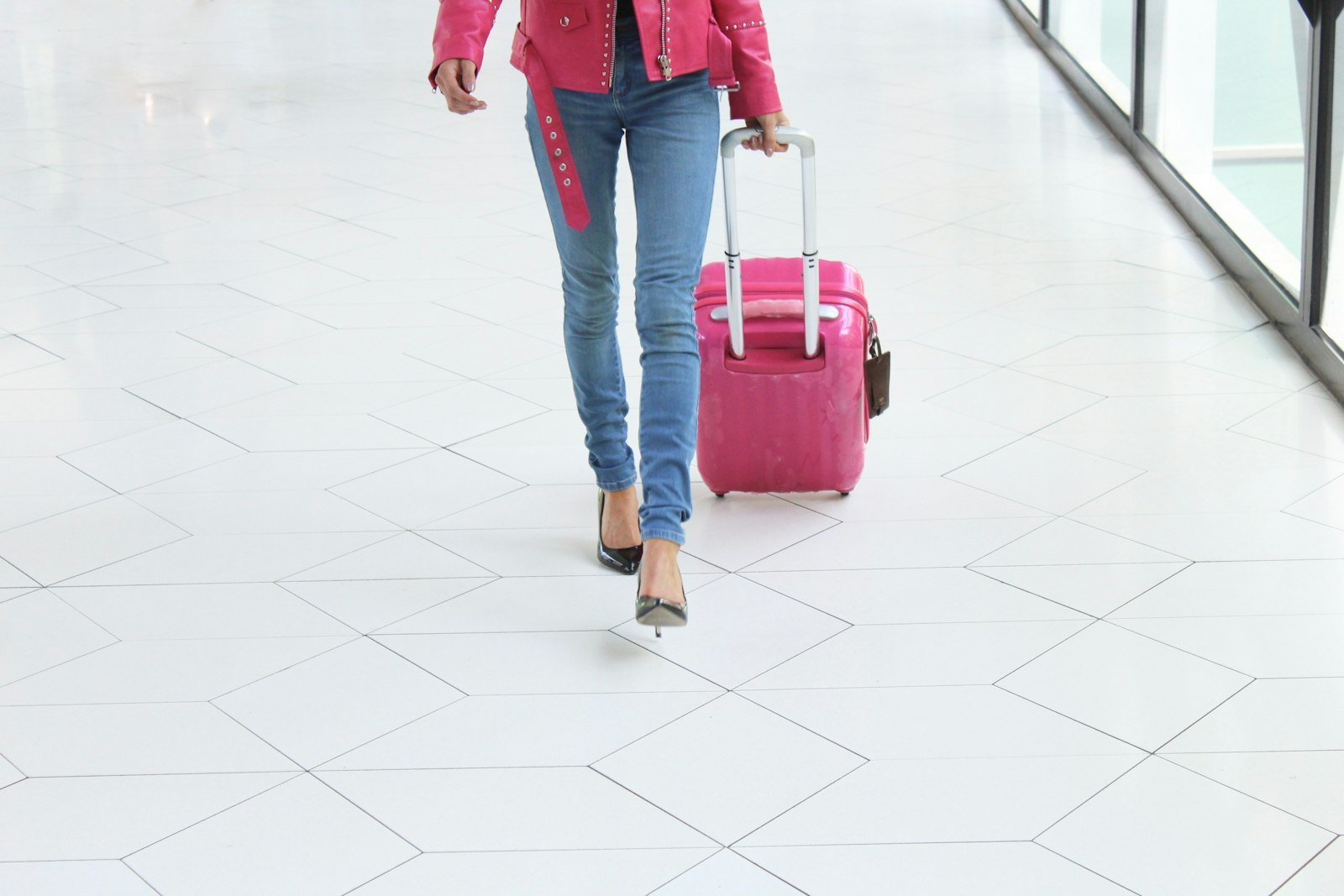
Shoes and socks: plan for swelling
Feet often swell on long flights, so shoes that fit perfectly at home can feel tight after a few hours. Choose comfortable slip-ons or trainers that you can loosen. Slip-ons are also quicker at security.
- Avoid: High heels, tall boots and anything that needs lots of lacing.
- Sandals: Comfortable in theory, but cold feet and dirty floors make them a poor choice.
- Bathroom rule: Always put your shoes back on before heading to the lavatory.
- Socks: Pack a fresh, warm pair to change into mid-flight. It’s a small luxury that makes a big difference.
Dress to move: circulation matters
Comfortable clothing also makes it easier to move, which is important on long journeys. The CDC explains that sitting for a long time without getting up and walking can cause blood to pool in the veins of your legs. Its advice includes choosing an aisle seat when possible, walking around every two to three hours, and flexing your calves while seated.
Loose, stretchy clothing makes those calf raises and walks far more comfortable. On compression stockings, the CDC doesn’t recommend them for everyone: if you have extra risk factors, such as a previous blood clot or recent surgery, it suggests asking your doctor before you travel. For seat strategy, see our guide on how to choose the best seat on a long-haul flight.
What to wear on a long-haul flight overnight
Red-eye flights need a slightly different approach because sleep becomes the priority.
- Go softer: Choose your comfiest joggers and a soft top that feels close to sleepwear but still looks neat.
- Bring a warm layer: Cabins can get chilly once the meal service ends. A blanket scarf doubles as a pillow or wrap.
- Skip bulky items: Hoods with thick drawstrings, chunky jewellery and belts all get in the way when you try to curl up.
- Sleep kit: An eye mask and earplugs or headphones complete the setup.
Pair the right outfit with a sleep plan and you’ll arrive in much better shape. Our tips on how to beat jet lag explain how to time sleep around your destination’s clock.
Practical details people forget
- Pockets: Zipped pockets keep your phone and passport safe when you nap.
- Metal: Fewer belts, buckles and metal accessories means a smoother security check.
- Arrival weather: Check the forecast at your destination. Arriving in winter in summer clothes, or the reverse, is easy to fix with one extra layer in your bag.
- Spare outfit: Pack a clean top, underwear and socks in your carry-on in case of spills or a delayed bag. Our long-haul carry-on packing list covers the rest.
- Dark colours: Darker or patterned clothes hide spills from meal trays and coffee.
Accessories that make a long flight easier
Your outfit is only half the comfort story. A few small items, kept in a pouch at your seat, make the hours pass more smoothly:
- Large scarf or wrap: Works as a blanket, a pillow or an extra layer when the air vents blast cold air.
- Eye mask and earplugs: Cabin lights and engine noise are the two biggest sleep killers.
- Refillable water bottle: Fill it after security so you can stay hydrated without waiting for the drinks trolley.
- Lip balm and moisturiser: Cabin air feels dry over many hours, so a small tube of each helps you feel fresher on arrival.
- Glasses instead of contact lenses: Many travellers find lenses uncomfortable on long overnight flights.
Does cabin class change what you should wear?
The basics stay the same in every cabin, but the details shift a little. In economy, space is tight, so soft and stretchy clothing matters most and a warm layer is essential. In premium economy and business class, you have more room and often get a blanket or even sleepwear on some routes, so you can dress a touch smarter and change on board. If you’re weighing up an upgrade, our comparison of premium economy vs business class explains what extra comfort you actually get.
Sample outfits
Relaxed and casual
Soft joggers, a plain T-shirt, a zip hoodie, cushioned trainers and warm socks.
Smart-casual for arrival meetings
Stretch travel trousers, a breathable knit top, a lightweight blazer or cardigan, and clean leather slip-ons. Change into a fresh shirt before landing if needed.
Cold destination
Thermal base layer, stretchy trousers, a merino sweater and a packable puffer jacket you can stow overhead during the flight.
FAQ
Should I wear jeans on a long-haul flight?
It’s better not to. Stiff denim and rigid waistbands become uncomfortable after hours of sitting. Choose stretch fabrics instead.
Is it OK to wear pyjamas on a plane?
Some travellers do, but neat loungewear is a smarter choice. It’s just as comfortable and looks fine when you land.
What shoes are best for long flights?
Comfortable slip-ons or trainers with room for swelling. Avoid heels and tall boots.
Do I need compression socks?
Not everyone does. According to the CDC, people with added blood-clot risk factors should ask their doctor about them before travelling.
Conclusion
When deciding what to wear on a long-haul flight, put comfort and flexibility first: breathable layers, stretchy bottoms, roomy shoes and fresh socks. Add a warm layer for overnight flights, keep moving during the journey, and pack a spare outfit in your carry-on. For more ways to make the trip easier, read our full list of long-haul flight tips.